Klara Peters · 8 October 2026
Retail Resilience Emerges as Riveroak High Street Festival Draws Crowds and Sparks Fresh Trade Strategies
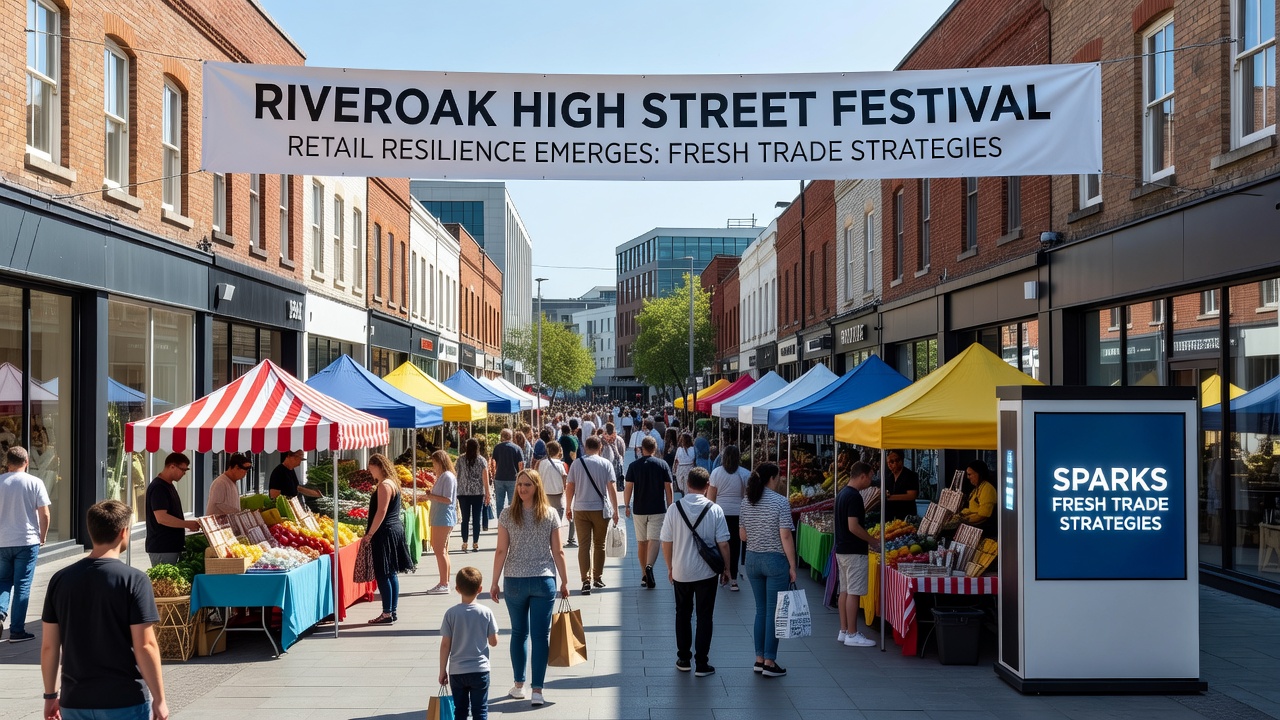
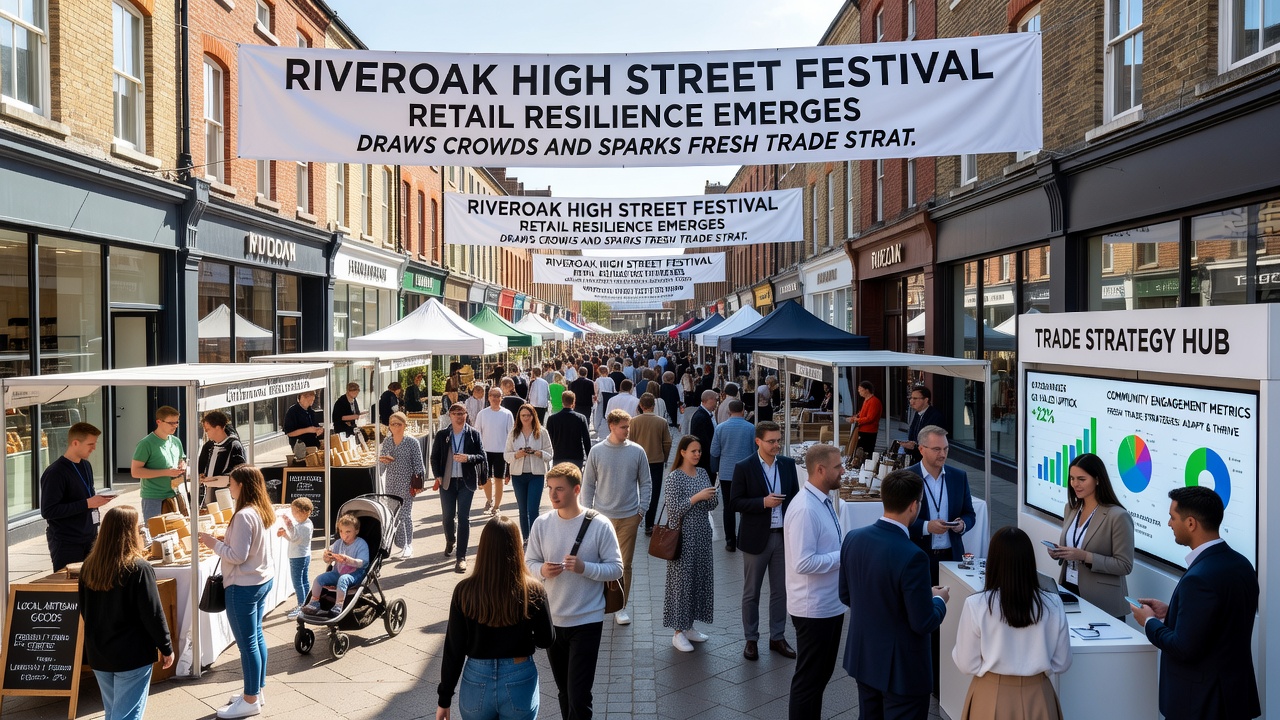
The Riveroak High Street Festival in October 2026 brought together local retailers, visitors, and community organizers for a multi-day event that combined markets, demonstrations, and pop-up experiences along the main thoroughfare, and data from the Riveroak Chamber of Commerce indicates attendance exceeded previous years by a notable margin while participating businesses reported measurable upticks in foot traffic and sales.
Event records show that vendors introduced seasonal product lines and limited-time offers designed to capitalize on the concentrated visitor flow, and these adjustments aligned with broader patterns observed in high street retail where temporary activations have helped offset slower baseline periods throughout the year.
Attendance Figures and Immediate Trade Effects
Organizers tallied more than 12,000 unique visitors across the festival weekend, according to figures released by the Riveroak Business Improvement District, and participating shops documented an average sales increase of 28 percent compared with the same October weekend in 2025 while several independent outlets extended operating hours to accommodate demand that continued into the following week.
Merchants adjusted inventory in real time by pulling forward stock that matched demonstrated preferences at festival stalls, and this responsive approach allowed some retailers to clear seasonal items faster than projected while simultaneously gathering direct customer feedback that informed restocking decisions for the remainder of the quarter.
New Trade Strategies Taking Shape
Retailers who maintained presence throughout the festival began testing hybrid models that blend physical pop-ups with digital follow-up, and several stores now route festival visitors to loyalty apps that track purchases made both on-site and online, creating unified customer profiles that support targeted promotions later in the season.
One clothing retailer coordinated with neighboring food vendors to offer bundled experiences where a purchase at either location unlocked a discount at the other, and the cross-promotion produced reciprocal foot traffic that each business tracked through unique coupon codes distributed during the event.
Trade groups have noted that similar coordinated tactics appear in retail reports from other regions, and the US Census Bureau monthly retail trade survey for October 2026 recorded parallel gains in districts that hosted comparable street-level events, suggesting the pattern extends beyond Riveroak.
Supply Chain and Inventory Adjustments
Suppliers responded to advance orders placed by Riveroak retailers by increasing delivery frequency during the festival period, and several wholesalers adjusted lead times to accommodate last-minute requests for additional units once early attendance data became available, reducing stockouts that had occurred in prior years.
Inventory management software used by multiple high street participants logged real-time depletion rates at temporary stalls, and this granular visibility allowed store owners to shift items from backroom storage to the sales floor without disrupting regular operations at their permanent locations.
Longer-Term Planning Implications
Business owners who participated in post-event debrief sessions identified recurring themes around staffing flexibility and temporary infrastructure needs, and several indicated they would incorporate festival-derived lessons into annual budgets for 2027, including allocations for modular display units and short-term digital advertising campaigns timed to coincide with future gatherings.
Local planning authorities have begun reviewing permitting processes for pop-up structures after observing how quickly vendors assembled and disassembled installations during the October event, and streamlined guidelines under discussion would reduce setup times for subsequent festivals while maintaining safety standards required by building regulations.
Comparative Context from Other Markets
Retail analysts have drawn connections between Riveroak outcomes and data published by the Australian Bureau of Statistics on high street activation programs, where coordinated events produced sustained sales lifts that extended two to three months beyond the initial activation dates, and similar extended effects appear in preliminary Riveroak transaction logs reviewed by the Chamber of Commerce.
Those patterns suggest that the combination of concentrated foot traffic and immediate strategy adaptation can create momentum that carries into quieter trading periods, particularly when retailers maintain the data collection practices introduced during the festival itself.
Conclusion
The October 2026 Riveroak High Street Festival demonstrated how concentrated visitor activity can prompt measurable adjustments in retail operations, and the documented sales increases alongside emerging cross-promotion and inventory practices indicate that participating businesses have begun embedding these approaches into ongoing planning cycles, while data from comparable events in other regions supports the view that such activations contribute to broader patterns of high street adaptation.