Morgan Simmons · 19 November 2026
Protected Oak Sites Become Classrooms for Riveroak's Next Generation of Environmental Stewards
Protected oak sites around Riveroak have taken on new roles as outdoor classrooms where local schools and community groups learn hands-on environmental stewardship, and this shift draws from established conservation practices that emphasize direct engagement with natural habitats. Research from the UK Department for Environment, Food and Rural Affairs shows that oak woodlands support diverse species while providing spaces for education programs that teach sustainable land management techniques.
Local authorities designated several oak groves as protected areas in prior years, yet the current focus centers on integrating them into curricula for students aged eight to eighteen. Teachers coordinate with forestry experts to lead sessions on soil health, tree growth cycles, and habitat connectivity, and these activities occur at sites equipped with minimal infrastructure to preserve the natural setting. Data from similar programs in Canada indicate that participants retain knowledge about biodiversity longer when lessons take place outdoors rather than in traditional classrooms.
Program Structure and Activities
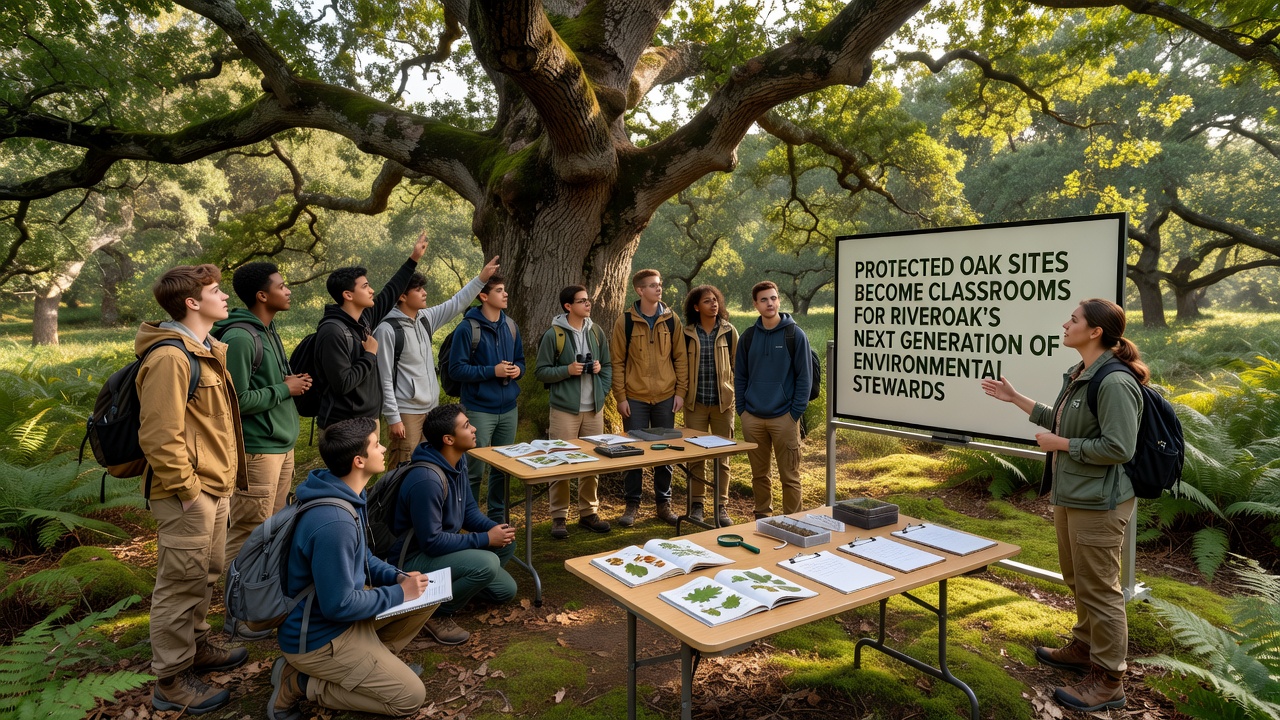
Each session begins with a safety briefing followed by guided walks along marked trails, where students measure tree diameters, identify native plants, and record observations in field journals. Groups then divide into teams for tasks such as monitoring leaf litter decomposition or mapping water flow patterns, and instructors use these exercises to explain ecological processes without introducing artificial props. The approach aligns with findings from the European Environment Agency, which highlights how repeated field exposure builds practical skills in young people.
November 2026 marks the launch of an expanded schedule that adds weekend workshops for families and evening sessions for adult learners interested in volunteer stewardship roles. Organizers plan to host twelve events that month, each limited to twenty participants to maintain low impact on the sites, and registration occurs through the Riveroak education portal. Participants learn about oak regeneration methods, invasive species removal, and climate resilience strategies drawn from long-term monitoring data collected at the groves.
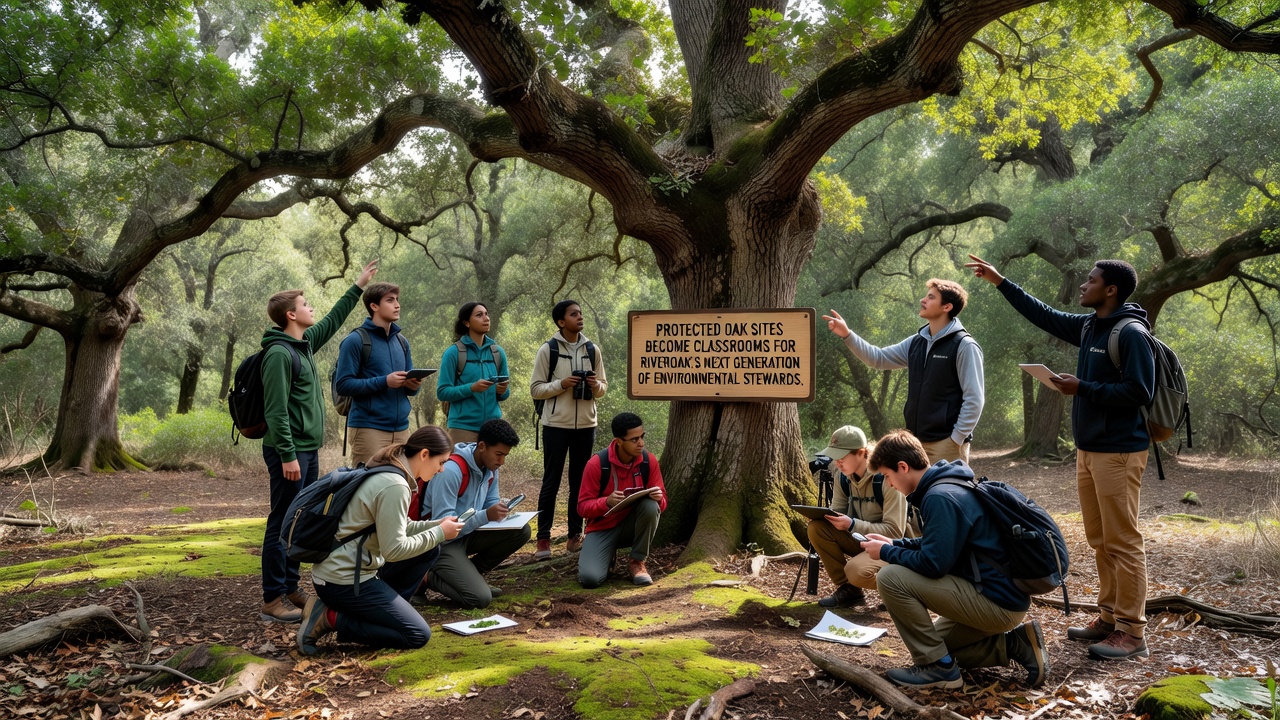
Partnerships with nearby secondary schools allow classes to visit once per term, while primary groups attend shorter introductory visits. Curriculum materials reference national standards for environmental science, yet instructors adapt content to local conditions such as soil type variations and seasonal changes observed at each specific grove. One study from the University of Melbourne on woodland education programs found measurable increases in student understanding of conservation principles after similar structured visits.
Community Involvement and Outcomes
Residents contribute by sharing historical knowledge of the sites during oral history segments, and this input helps students connect current protection efforts to past land use patterns. Volunteers from the Riveroak Conservation Network assist with equipment setup and data logging, which keeps operational costs low while expanding reach. Attendance records from the first year of operations reveal consistent participation rates across age groups, with repeat visitors often advancing to leadership positions in subsequent programs.
Equipment remains basic, consisting of handheld measuring tools, waterproof notebooks, and portable weather stations, and all items return to storage after each session to avoid permanent alterations to the landscape. Monitoring protocols track both ecological indicators and educational metrics, such as pre- and post-session quiz scores, allowing organizers to refine activities based on observed results. Those who have reviewed the collected figures note steady improvement in participants' ability to describe complex interactions within oak ecosystems.
Additional training for facilitators covers risk assessment and inclusive teaching methods, ensuring sessions accommodate varying physical abilities and learning styles. Coordination with transport providers helps reduce barriers for schools located farther from the sites, and this logistical support contributes to higher attendance from underrepresented areas within the district.
Conclusion
Protected oak sites in Riveroak continue to function as both conservation zones and educational resources, with structured programs delivering factual information about woodland ecology to successive groups of learners. Ongoing data collection supports adjustments to session formats, while partnerships with regional and international bodies provide comparative insights that strengthen local approaches. The November 2026 calendar reflects this established framework operating at full capacity.