Riley Wolf · 24 September 2026
Oak Woodland Protection Status Raises Questions About Balancing Growth and Conservation
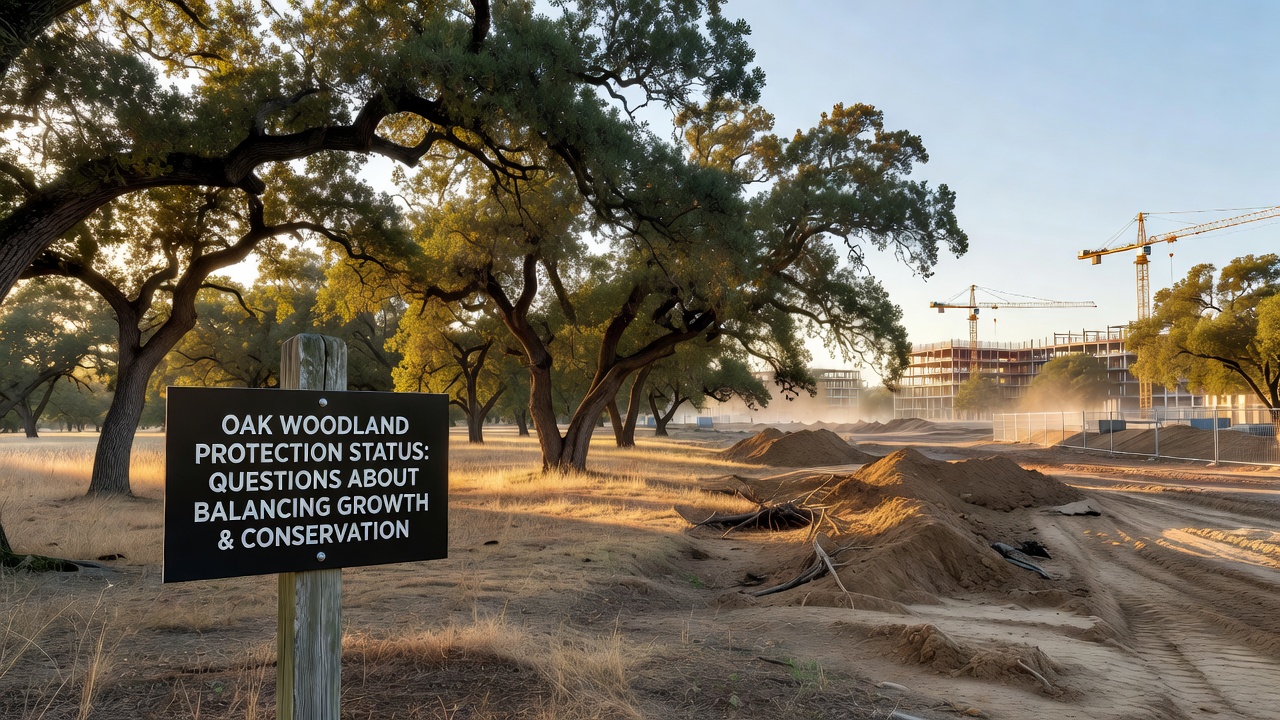
Oak woodlands represent critical ecosystems that support diverse wildlife populations while providing carbon sequestration benefits and soil stabilization across multiple continents, and recent updates to their protection status have prompted discussions among planners and environmental agencies about how to integrate conservation with expanding urban and agricultural needs. Data from monitoring programs show that these habitats face ongoing pressures from infrastructure projects and housing developments, particularly in areas where oak species like Quercus robur and Quercus agrifolia dominate the landscape.
Ecological Role of Oak Woodlands
Researchers have documented that oak woodlands harbor hundreds of associated species including insects, birds, and mammals that rely on acorn production and canopy cover for survival, whereas studies from the European Environment Agency highlight how these areas contribute to regional biodiversity targets through their complex understory layers and root networks that prevent erosion during heavy rainfall events. In regions with Mediterranean climates oak stands often serve as buffers against wildfire spread when managed with prescribed burns, yet fragmentation from roads and subdivisions continues to isolate populations of dependent flora and fauna.
Current Protection Frameworks
Protection designations vary by jurisdiction but commonly include local ordinances that restrict clearing beyond certain thresholds along with federal listings under habitat conservation plans, and in September 2026 a review by regional authorities examined whether existing boundaries adequately cover core oak stands amid projected population increases through 2035. Figures from the US Department of Agriculture Forest Service indicate that protected oak woodland acreage has grown by approximately 12 percent over the past decade in western states due to easements and public land acquisitions, while similar efforts in Australia track remnant stands through the National Reserve System to maintain connectivity corridors.
Observers note that enforcement mechanisms often rely on environmental impact assessments which evaluate cumulative effects rather than isolated projects, and this approach allows decision makers to weigh mitigation measures such as replanting programs or buffer zones against proposed growth scenarios. Take one planning department that incorporated satellite imagery to map oak canopy loss over five years and found a 7 percent decline concentrated near expanding commercial zones, prompting adjustments to zoning codes that prioritize infill development over greenfield sites.
Pressures from Growth and Infrastructure
Urban expansion and transportation corridors represent primary drivers of habitat conversion according to multiple land use studies, although agricultural conversion for vineyards and orchards also removes mature trees at rates that vary by soil type and economic incentives. Data indicates that in parts of California and southern England oak woodland loss correlates with housing permit approvals, and agencies have responded by requiring developers to offset impacts through on-site restoration or contributions to regional conservation banks.
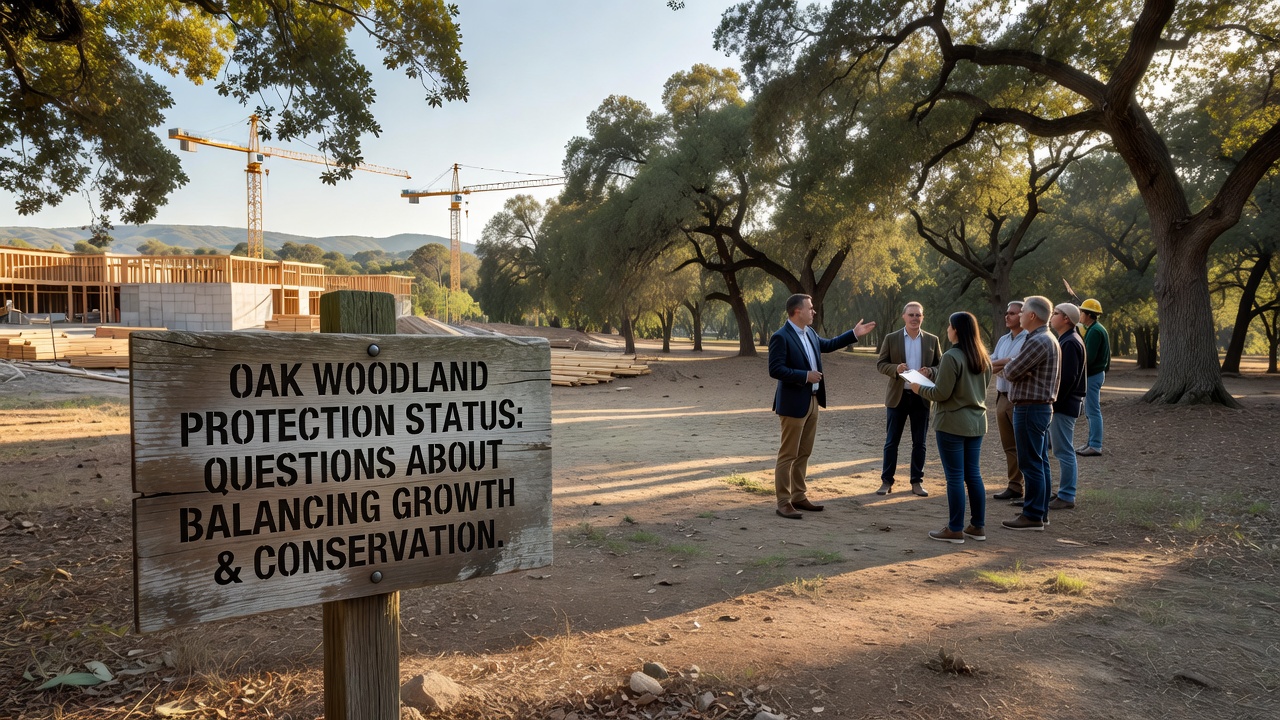
What's notable is how coordinated infrastructure initiatives announced for 2026 include environmental components that sequence road widening projects alongside habitat surveys to minimize disruption during nesting seasons for species such as the acorn woodpecker. Those who've analyzed permitting records observe that successful cases often feature early stakeholder engagement where conservation groups and local governments negotiate trade-offs like reduced building footprints in exchange for long-term monitoring commitments.
Strategies for Integration
Integrated planning models combine growth projections with habitat suitability maps to identify priority conservation areas before development applications arrive, and this method has been adopted in several jurisdictions following pilot programs that demonstrated reduced conflict during review processes. Evidence suggests that financial tools including transferable development rights allow landowners to shift density to less sensitive parcels while retaining income from oak woodland properties, whereas incentive programs through tax credits encourage voluntary stewardship on private holdings that comprise the majority of remaining stands.
One study revealed that combining prescribed grazing with selective thinning maintained oak regeneration rates comparable to untouched controls while supporting compatible livestock operations, and similar adaptive management techniques appear in reports from Canadian provincial agencies working on analogous hardwood ecosystems. The reality is that success depends on consistent funding for monitoring which tracks metrics like seedling survival and invasive species cover over multiple growing seasons.
Conclusion
Protection status updates continue to shape how oak woodlands factor into broader land use decisions, and the balance between growth objectives and conservation goals rests on data-driven assessments that incorporate both ecological metrics and economic forecasts. Ongoing work by research institutions and regulatory bodies across different regions provides frameworks that communities adapt to local conditions, ensuring that these habitats retain their functional roles within changing landscapes.